
2026 Duffy Theatre - Teacher Resources

On this page
Introduction
Kia ora and welcome to the Duffy’s StoryBlox Adventure teacher resources. Our brilliant playwright, Leki Jackson-Bourke, has prepared these resources the enhance the experience of the show. Our great actors have also made videos explaining each task that you are welcome to share in class. We hope they can inspire your tamariki to continue with their reading journey!
Balance is the key! Duffy and his older cousin (by one minute!) Tuffy, are having the age-old debate over what is better, games or books! One afternoon when they are doing anything possible to avoid chores, Tuffy’s tablet starts to glitch and Tuffy and Duffy are pulled into another dimension, StoryBlox! The cousins need to work together to solve riddles, create a story and read their way to safety, all with the help of Duffy kids in the audience of course! This year’s show features music, interactivity and a heap of fun all while promoting the message that “it’s cool to read, it’s cool to achieve!”
Thanks to students at Ruapotaka School in Auckland for your ideas at the start of the creation process for our 2026 show!
During the performance the cast actively engages with tamariki. There will be moments of audience interaction. Sing-alongs, verbal responses and audience participation is highly encouraged to contribute towards a positive and fun vibe. The show is geared towards encouraging Tamariki to connect with the core message of the show: “It’s Cool to Read and Cool to Achieve.” These Teachers’ Notes have been created to help you continue the learning and conversation back in the classroom post-show. Some of these could also be used pre or post show – whichever suits the needs of your learners.
The Team
-

- Leki Jackson-Bourke – Writer

-

- Jeff Szusterman – Director

-
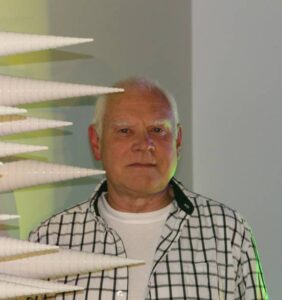
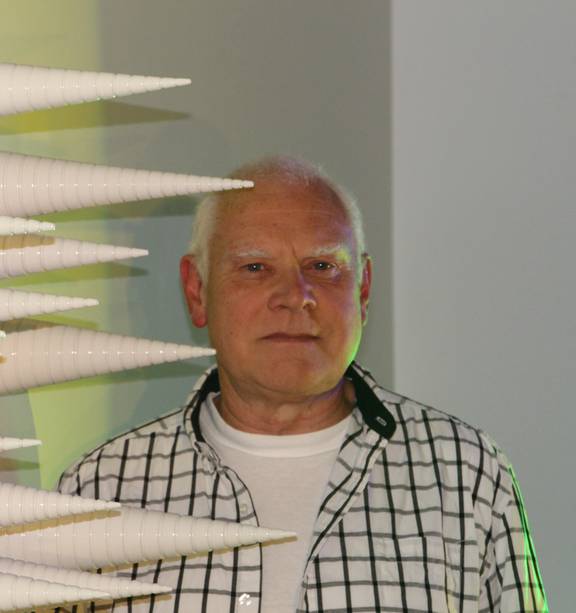
- John Parker – Set Designer
-
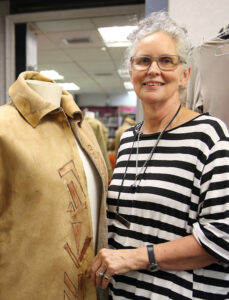
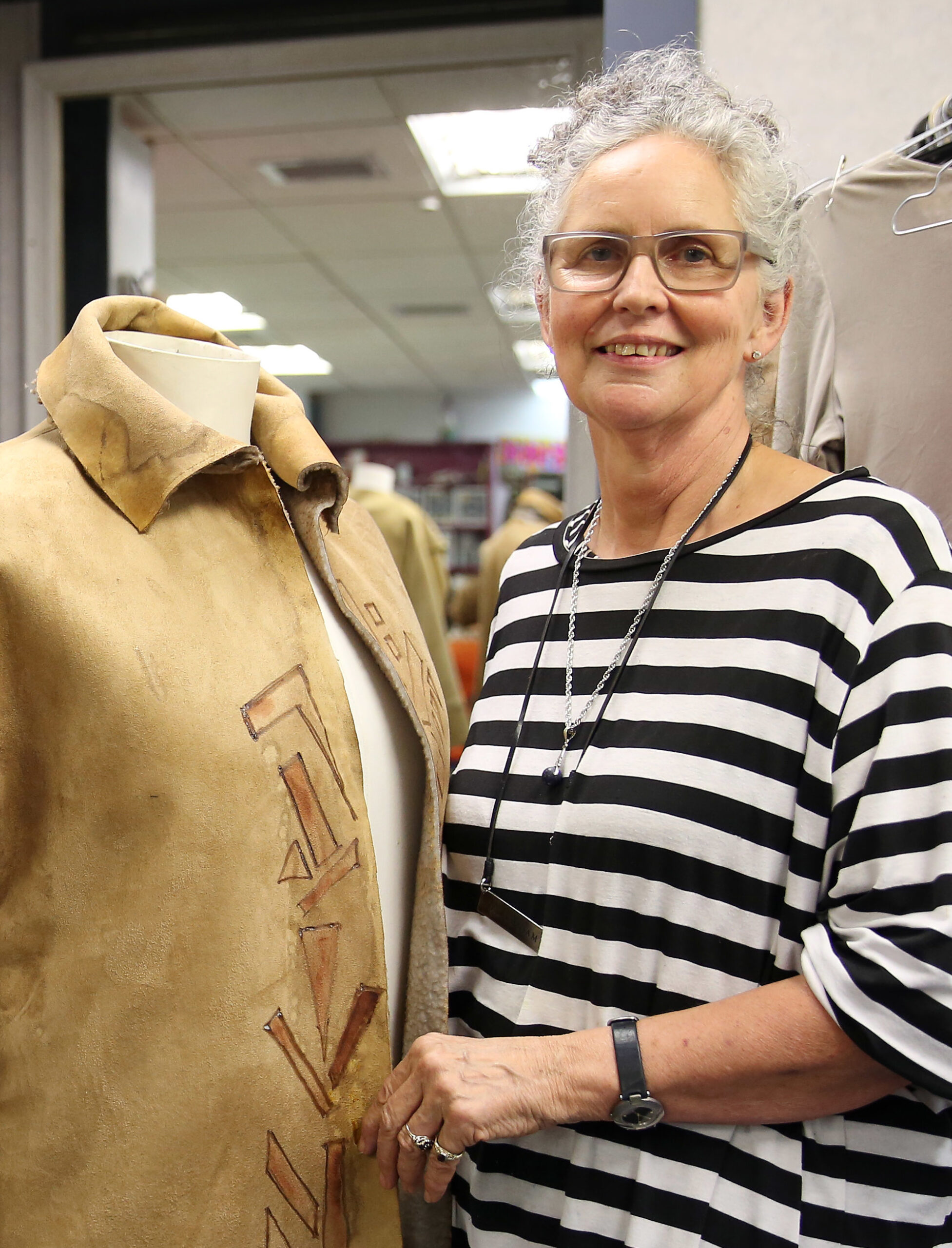
- Elizabeth Whiting (MNZM) – Costume Designer
-

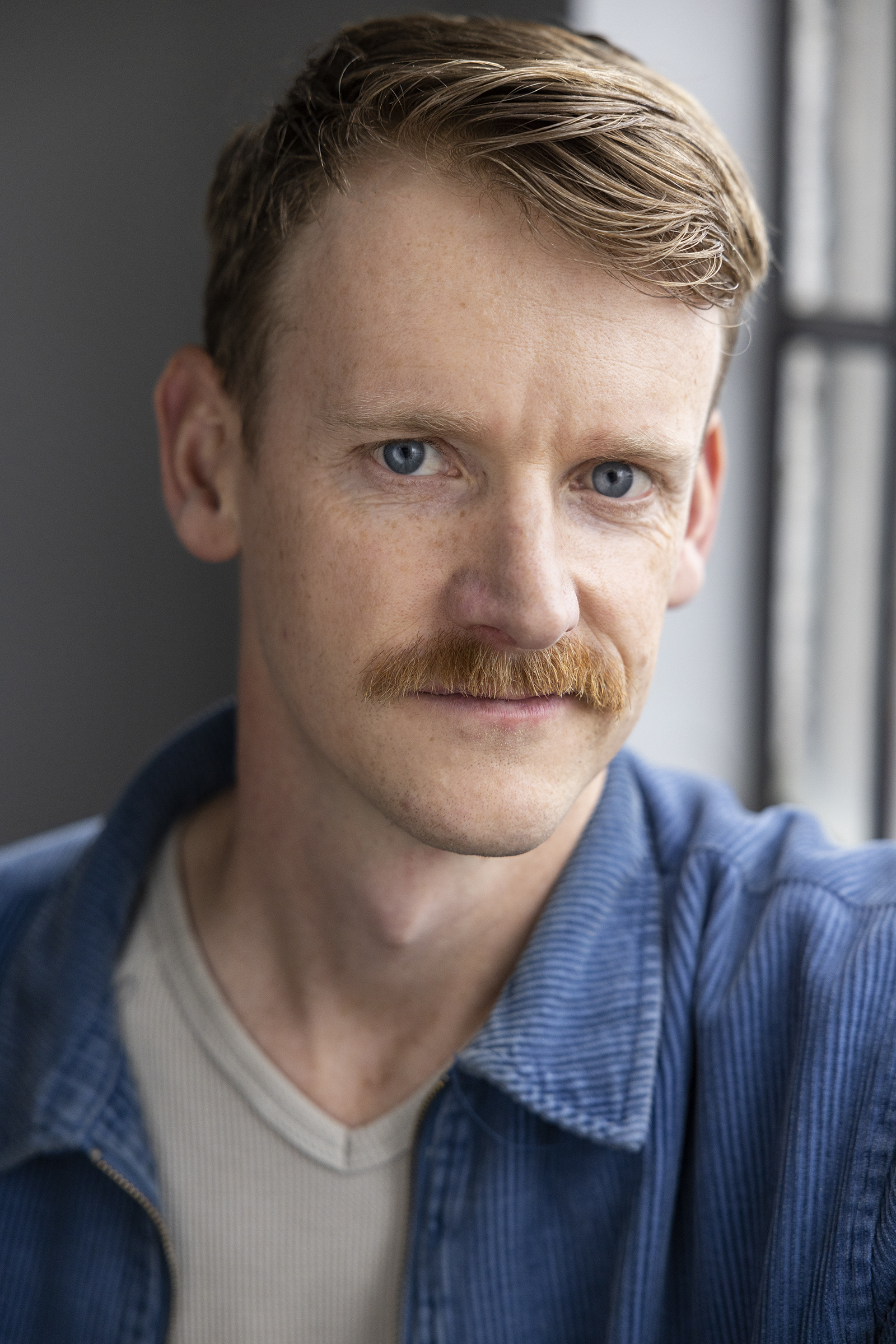
- David Rumney – Production Manager
You can also meet the actors that will be coming to your school.
Pre- or Post-Show Activities
STORYTIME:
Brainstorm a quick story with the tamariki. Put a timer on to make it more fun and to make them work under pressure. This could be done as a lead in to the show to help engagement as this activity will feature in the show.
STORY:
Pick a main character – Who is it about?
Pick a setting – Where are they?
Pick an obstacle or a task – What happens to them?
Solution – How is that resolved?
“BALANCE IS THE KEY”
The teacher reads out the prompts and asks the kids to stand somewhere on the line in relation to the prompt.
- Left side of the line if you like KFC
Right side or the line if you like MCDONALDS
Stand in the middle of the line if you are unsure or you can’t decide. - Left side of the line if you think books are more important for learning
Right side of the line if you think games are important for learning
Stand in the middle of the line if you are unsure or think both are important for learning. - Left side of the line if you think it’s better to do your task FAST.
Right side of the line if you think it’s better to complete your task SLOW & CAREFUL.
Stand in the middle if you are unsure or think both. - Left side if you think you work better as an individual or solo
Right side if you think you work better in a group or team
Stand in the middle if you both.
To avoid students all picking the middle you could spread the line along and give them an option of standing in between. You can also say you can’t stand in the exact same spot as someone else you have to have a secured spot in the line. E.G if there are 20 students there are 20 spots to stand in the line so some students may think more or less about the statement than others.
The twist in the end would be: what happens if we need both?
STAND UP IF YOU THINK THE STATEMENT IS TRUE.
These are some general statements that relate to the show and reinforce some of the themes. This could be used as a fun ice breaker but then teacher could unpack some of these in depth with students. Or they can be used as a starting point for conversations or brainstorms. To get further in depth the teacher could ask specific questions – Why? Why not? What do we know about this? Does this work for everyone?
Stand up if you think reading can make you smarter.
Stand up if you think reading is too hard.
Stand up if you want to be rich and famous in the future.
Stand up if you think reading will help make you rich and famous in the future.
Stand up if you think reading is a superpower.
Stand up if you like games more than books.
Stand up if you like books more than games.
Stand up if you like both games and books.
Stand up if you’ve ever felt proud after finishing a book.
Stand up if you’ve ever been distracted by your phone or iPad.
Stand up if your whānau helps you learn in different ways.
Stand up if your whānau distracts you from learning.
Stand up if you think teamwork makes things easier.
Stand up if you think helping each other makes you stronger.
Stand up if you like reading together with others.
Stand up if you think reading is cool!
Post-Show Activities
Design Your Own StoryBlox Villain!
Teacher can give tamariki the prompts to create their own villain:
Give your villain a cool and catchy name (something like Captain Clickbait).
What is your villain’s power?
What is their weakness? Something that could tempt them or potentially influence them to become good again?
What is their backstory? Why do you think they became villains?
What is one special thing about your villain?
Do they only come out at night time? Are they silent and can’t speak?
Can they only see the colour purple? Are they attracted to nice smelling shampoo? Do they eat all the food in the fridge.
Once they have made their villain they can make a gallery all together with the class. A follow up activity to this could be designing their own DUFFY as a superhero or making new superheroes from scratch to counter their villain.
Design Your Own StoryBlox Level!
If you were trapped in StoryBlox, what would your level be? Tamariki could fill out a small box with:
- The name of the level
- The challenge
- The reading task
- How to escape
Then on a blank template (similar to the set) they can draw and visually design the level.
THE DEBATE ON CAPTAIN CLICKBAIT
This would be suitable, probably more for the older students.
Captain Clickbait cut out with the statement “Technology & devices should be banned from school – do you agree or disagree!?”
- Split students into two groups (agree & disagree)
- Students come up with 3-5 strong points to support their team.
- A mini debate where students share answers and the most convincing argument wins the prize.
Some post-debate discussion points could be:
How do we control / limit our usage of devices so we don’t get distracted?
Should we only allow devices for group work but not solo or individual work? What are some of the real examples of Captain Clickbait we face when we use devices? (e.g checking social media notifications, watching tiktoks etc).